



Six jobs AI can do for textiles.
Fabric inspection
Weaving and dyeing defects mapped by roll.
Line planning
Styles allocated to meet ship dates.
Shade matching
Data behind every colour call.
Buyer replies
Costings and tech-pack answers, drafted.
Trend forecasts
Demand by style and channel.
Compliance files
Audit documents in order.
Before, and after.
Buyers rejected rolls for defects inspectors missed.
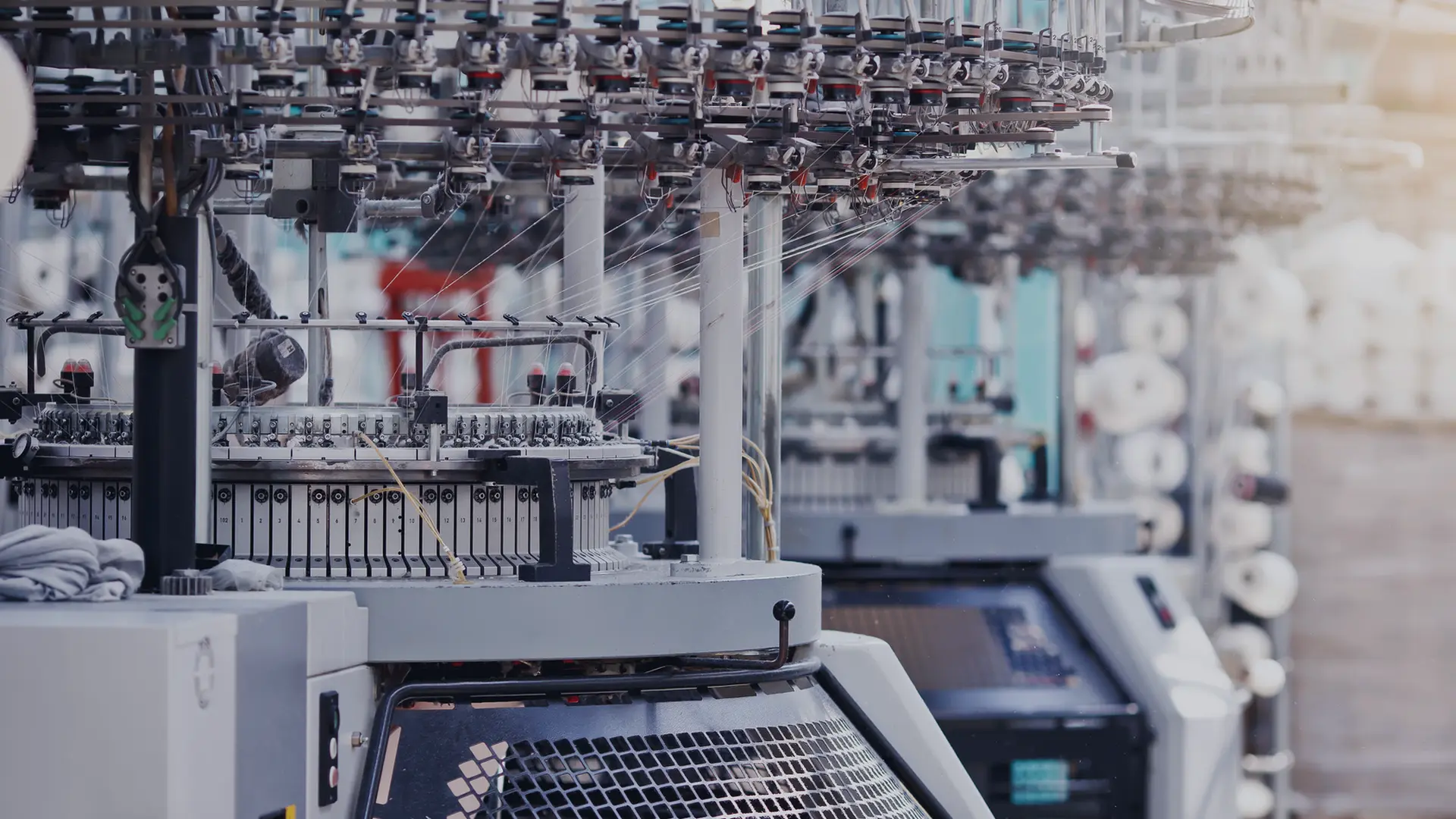
Cameras inspect fabric continuously and map every defect. Nothing ships unchecked.
Numbers, not opinions.
We agree the baseline before we build anything.
Buyer rejections
On-time shipment
Line efficiency
Sampling time
Small first. Then bigger, once it works.
Assess
2 to 3 weeksFind the jobs worth handing to AI.
Pilot
4 to 8 weeksBuild it small. Measure it every week.
Deploy
2 to 6 weeksSecure it, train people, go live.
Scale
OngoingAdd the next process. Keep improving.


Questions, answered
Does fabric inspection need special lighting?
Consistent lighting improves results; we design the camera and lighting setup with your machines.
Can AI help small and mid-sized mills?
Yes. A single inspection station or planning tool can make a meaningful difference without a large investment.
Will planning tools work with our ERP?
Yes, we integrate with common textile and apparel ERPs or work from your existing spreadsheets initially.
Let's find the first job for AI in textiles.
A short call. No slides. You leave with two or three ideas worth piloting.
Tell us what you need
A senior consultant replies within 15 minutes, day or night, in your time zone.
Team online nowWherever you are, we reply in minutes
- 15 minFirst reply, 24/7
- 1 hrIntro call scheduled
- 3 hrsWritten quotation
Teams in London and India cover every time zone, seven days a week.